Patch testing: how and why
A patch test takes two minutes and two days, and it can save you a week of uncomfortable skin. Here is how to do one, what to look for, and what a patch test can and can't tell you.
Valeur de la Beauté · 4 min read · Last reviewed
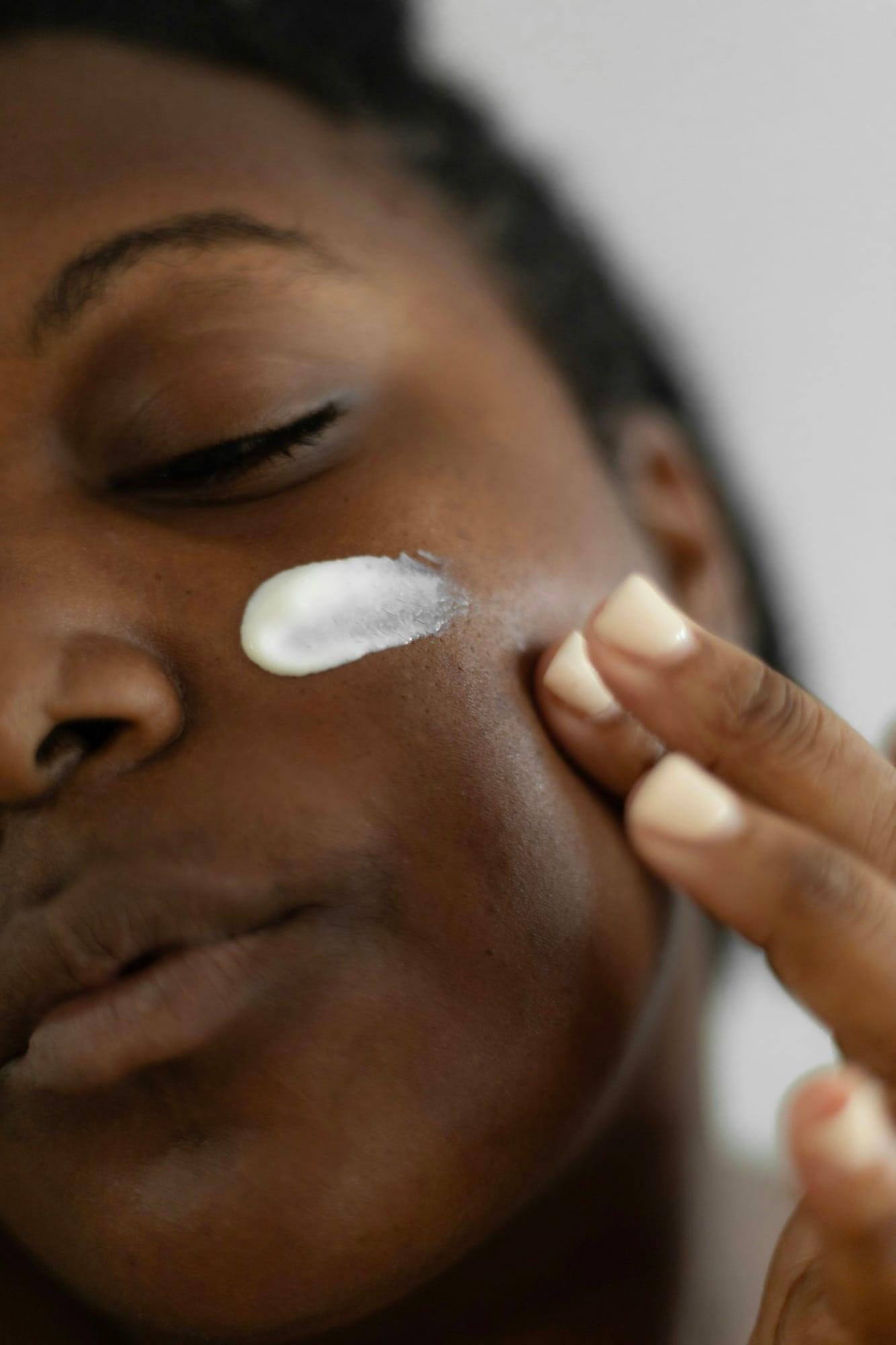
Every product page we publish says the same thing under its warnings: patch test before first use. It is easy to skip. This article explains why it's worth the wait, how to do it properly, and what it can and can't tell you.
Why patch test
Any ingredient can disagree with someone's skin. That includes ingredients that most people use without a second thought, and it includes products with no added fragrance. Every cosmetic sold in the UK has a safety assessment for normal use, but no assessment can predict how every individual's skin will respond.
A patch test is a small, controlled trial on a patch of your own skin. If a product is going to make your skin red or itchy, you would rather find out on a coin-sized area of your arm than across your whole face.
It matters most when:
- the product is new to you;
- it contains a key ingredient you haven't used before, such as an exfoliating acid or a copper peptide;
- your skin tends to react to new products; or
- you have reacted to a cosmetic before.
How to do it
- Choose a spot. Behind the ear or on the inner forearm. Both are areas where skin is relatively thin and that you can leave alone for two days.
- Clean and dry the area. Plain water is fine.
- Apply a small amount. About the size of a 5p coin, in the same amount you would use on your face. For a pad, wipe it over the area once.
- Leave it. Don't wash the area for as long as you reasonably can, and don't put anything else on it.
- Repeat if the product is for daily use. Applying it once a day to the same spot for two days gives a better picture than a single application.
- Wait 48 hours. Check the area now and then, and again at the end.
If you can, make a note of the date and the product, so that you know what you tested.
What to look for
Signs to stop: redness that spreads or lasts, itching, swelling, small bumps, burning or soreness, or skin that looks raw. If you see any of these, wash the product off with water and don't use it. If a reaction is severe, or doesn't settle, speak to a pharmacist or doctor.
What is usually normal: a brief, mild tingle when you apply an exfoliating acid, which fades within a few minutes. A tingle that lasts, or turns into stinging, is a sign to stop.
No change: a good sign. You can start using the product as its directions say, beginning gently. For acids, that means two or three evenings a week to start.
What a patch test can't tell you
A patch test lowers the chance of a surprise. It doesn't guarantee anything.
- Your face is not your arm. Facial skin, especially around the eyes and mouth, can be more reactive than the skin you tested.
- Some reactions take longer. A product can be fine for two days and cause irritation after two weeks of regular use, particularly an exfoliant used too often.
- Combinations matter. A product that is fine on its own can feel different alongside another strong ingredient. Building a simple morning and evening routine explains which ingredients to keep apart.
So keep watching your skin for the first few weeks. If it becomes irritated at any point, stop using the product.
Starting a new product after a patch test
Change one thing at a time. If you add two new products in the same week, and your skin reacts, you won't know which one caused it. Give each new product a week or two on its own before adding the next.
For exfoliating acids, such as our Resurfacing Pads, start slowly and build up, and wear SPF 30 or higher every morning. Glycolic acid and PHAs has the details. For copper peptides, such as our Copper Peptide Serum, use it every other morning for the first week.
When to ask first
A patch test is not a substitute for advice. Ask a doctor or pharmacist before starting a new product if you:
- are pregnant or breastfeeding;
- have a skin condition, or skin that is broken, sunburnt or sore;
- use a skin cream or medicine on prescription; or
- have had a severe reaction to a cosmetic before.
Take the full ingredient list with you. Every product page on our site has it, and so does every pack.
What we do on our side
Every product page lists the full ingredient list, every key ingredient's percentage and what it is a percentage of, and the warnings for that product. Everything we make is fragrance-free. Our standards explains the rest.
None of that replaces a patch test, because none of it can tell how your own skin will respond. That part is yours, and it takes two days.
Journal articles are for information. They aren't medical advice: if you have a skin condition, are pregnant or are unsure whether a product suits you, ask a doctor or pharmacist.
Keep reading
- How to
4 min read
How to read a skincare label: what a percentage really means
A percentage on a pack can mean several different things. Here is how to read an ingredient list, what a percentage is a percentage of, and what the small symbols and numbers on a label tell you.
- How to
- Ingredients
4 min read
Glycolic acid and PHAs: how exfoliating acids work
Exfoliating acids loosen the dead cells on the skin's surface so it looks smoother and more even. Here is how glycolic acid and PHAs differ, how to start, and why sun protection matters.
- Ingredients
- How to
- How to
4 min read
Building a simple morning and evening routine
A good routine needs fewer steps than you might think. Here is a simple order for morning and evening, where each step fits, which ones to keep apart, and how to add something new.
- How to