Copper peptide (GHK-Cu): what it is and how to use it
Copper peptide, or GHK-Cu, is a small peptide bound to copper, and it gives a serum its faint blue tint. Here is what it is, how it feels, and how to fit it into your routine.
Valeur de la Beauté · 3 min read · Last reviewed
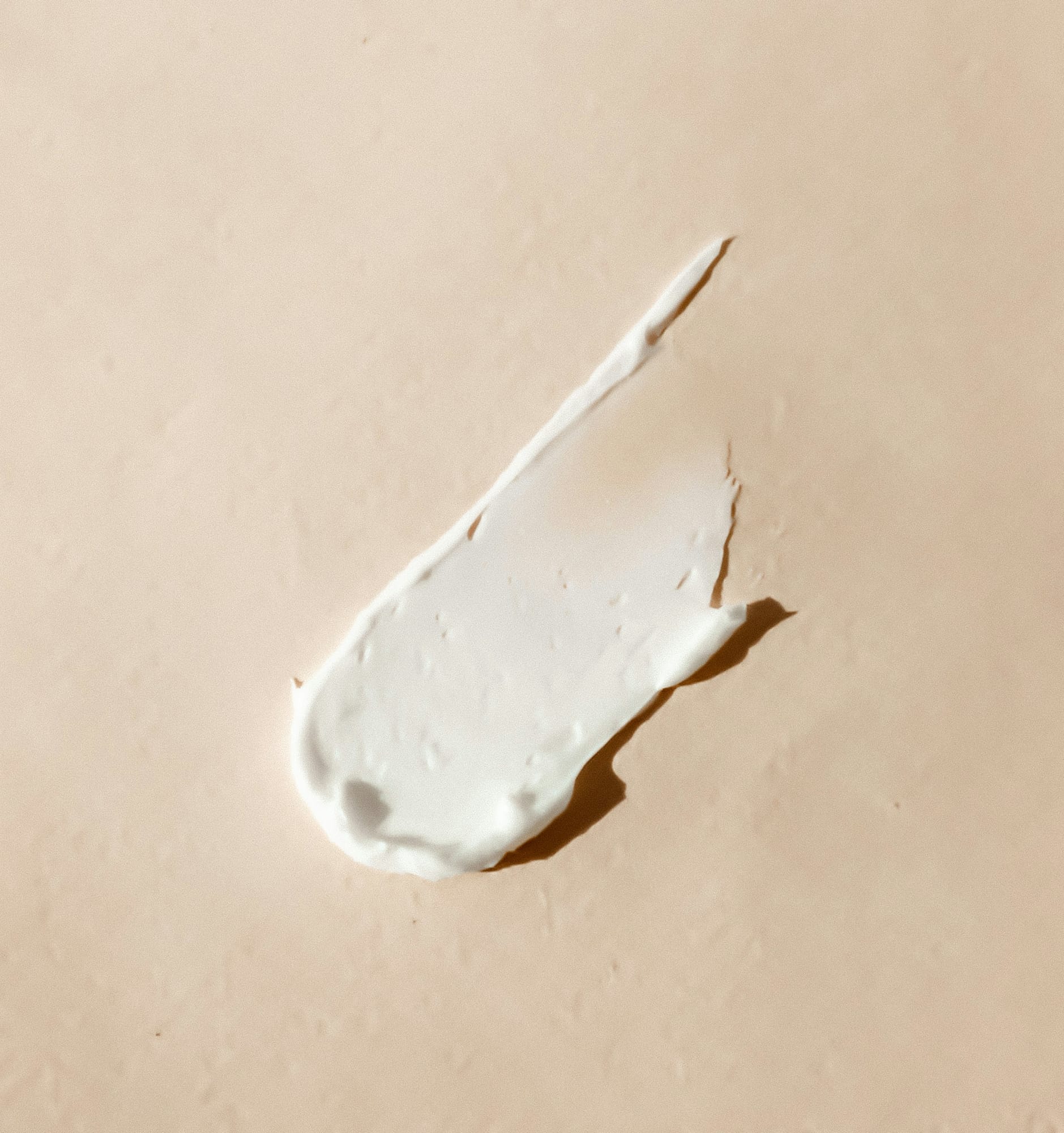
Copper peptide is the key ingredient in our Copper Peptide Serum. On an ingredient list it appears as copper tripeptide-1, and it is often called GHK-Cu. This article explains what it is, how it feels in a serum, and how to use it.
What it is
A peptide is a short chain of amino acids, the same building blocks that make up proteins. GHK is a very short one: three amino acids, glycine, histidine and lysine, joined in that order. The letters G, H and K are their one-letter codes.
GHK holds on to copper very tightly, and the pair is called GHK-Cu. The copper is what gives a copper peptide serum its faint blue tint. In skincare, GHK-Cu is made as a cosmetic ingredient, not taken from people or animals, and blended into serums and creams at a small percentage.
How it feels
In our serum, copper tripeptide-1 sits in a light gel that sinks in within a minute. It leaves skin feeling soft and comfortable, and it sits well under a moisturiser and SPF. Used regularly, it is there for skin that looks firmer and smoother.
How much is in the bottle
Most copper serums don't say how much copper peptide they hold. We do. In our current formula, copper tripeptide-1 is 1% of the finished serum, by weight, and that figure is on the front of the bottle. The two supporting peptides, Matrixyl 3000 and Argireline, are stated the same way. How to read a skincare label explains what those percentages are percentages of.
We describe only how skin looks and feels. A cosmetic works on the skin's surface and its appearance, and we write about it that way.
Using copper peptide well
A few practical points apply to any copper peptide serum, ours included.
- Use it in the morning. Press two pumps onto clean, dry skin across the face and neck, then follow with a moisturiser and SPF.
- Keep it apart from exfoliating acids. Acids lower the pH of the skin's surface, and copper peptides are best kept to a different time of day. Our serum is a morning product and our Resurfacing Pads an evening one for that reason. Glycolic acid and PHAs explains the acids side.
- Keep it apart from vitamin C serums, for the same reason: use them at different times of day.
- Start slowly. If copper peptides are new to you, use the serum every other morning for the first week.
- Patch test first. Any new product can disagree with your skin. Patch testing: how and why shows how.
- Follow with SPF in the morning. Not because of the copper peptide, but because daily sun protection belongs in every morning routine.
If you are pregnant or breastfeeding, or have a skin condition, ask a doctor or pharmacist before starting a new product.
In short
GHK-Cu is a three-amino-acid peptide bound to copper. In a serum it is there for skin that looks firmer and smoother. Use it in the morning, keep it apart from acids and vitamin C, start gently, and wear SPF. Each product page lists every key ingredient we use, its percentage and what that percentage is of.
Journal articles are for information. They aren't medical advice: if you have a skin condition, are pregnant or are unsure whether a product suits you, ask a doctor or pharmacist.
Keep reading
- Ingredients
4 min read
Glycolic acid and PHAs: how exfoliating acids work
Exfoliating acids loosen the dead cells on the skin's surface so it looks smoother and more even. Here is how glycolic acid and PHAs differ, how to start, and why sun protection matters.
- Ingredients
- How to
- How to
4 min read
Patch testing: how and why
A patch test takes two minutes and two days, and it can save you a week of uncomfortable skin. Here is how to do one, what to look for, and what a patch test can and can't tell you.
- How to
- How to
4 min read
How to read a skincare label: what a percentage really means
A percentage on a pack can mean several different things. Here is how to read an ingredient list, what a percentage is a percentage of, and what the small symbols and numbers on a label tell you.
- How to